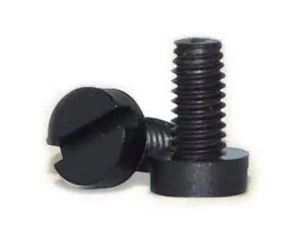
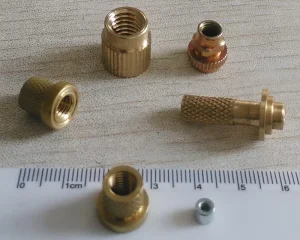
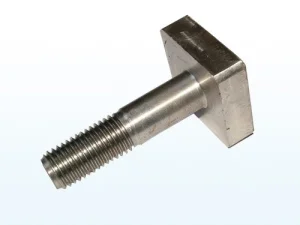
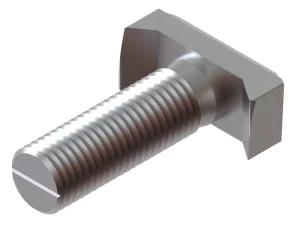
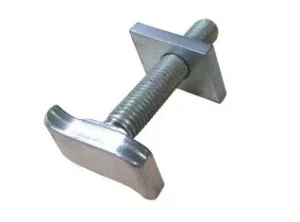
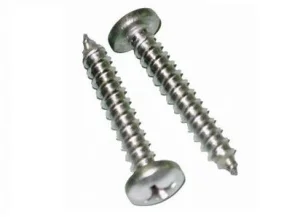
Hexagon Socket Set Screw Series
Standards Compliance
DIN, ISO, JIS, AISI
Product Models
DIN 913, DIN 914, DIN 915, DIN 916
Available Materials
304 Stainless Steel, 316 Stainless Steel, Carbon Steel
Frequently Asked Questions
What are the differences between DIN 913, 914, 915, and 916?
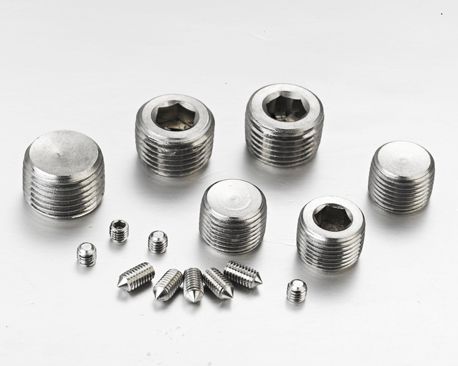
These standards refer to the point type of the set screw: DIN 913 is flat point, DIN 914 is cone point, DIN 915 is dog point, and DIN 916 is cup point.
Which materials are best for corrosion resistance?
Stainless steel 316 (316SS) offers the highest level of corrosion resistance, making it ideal for marine or chemical environments, followed by 304SS.
Do these screws follow international sizing standards?
Yes, our hexagon socket set screws strictly adhere to DIN, ISO, JIS, and AISI standards to ensure global compatibility.
What is the advantage of using carbon steel for set screws?
Carbon steel provides high strength and hardness, which is excellent for high-torque industrial applications where extreme tension is required.
Can these screws be used in precision machinery?
Absolutely. The hexagon socket design allows for high torque application and is widely used in precision instruments, automotive, and electronics.
Are custom materials available for these DIN standards?
While 304SS, 316SS, and carbon steel are the standard options, these screws are manufactured to meet the specific mechanical properties defined by DIN/ISO regulations.
 Krui Hardware