An Industry White Paper on Material Integrity and Global Procurement Standards
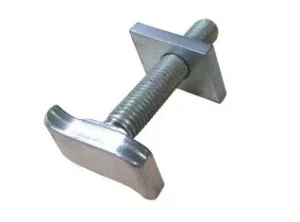
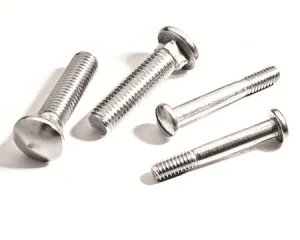
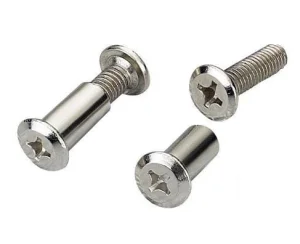
Also known as carriage bolts, stainless square neck bolts are the unsung heroes of heavy-duty assembly. Their unique design—a domed head coupled with a square neck—provides two vital functions: aesthetic appeal and self-locking capabilities. In modern industrial applications, the transition from mild steel to high-grade stainless steel (AISI 304/316) is not just a trend; it is a necessity for longevity in corrosive environments.
As OEM providers, we see the shift towards "maintenance-free" infrastructure. Whether it is in renewable energy mounting systems or coastal marine construction, the reliance on high-quality stainless fasteners is at an all-time high. Our manufacturing process ensures that the square neck transitions perfectly into the shank, preventing spin-out during installation—a failure point often found in inferior quality products.
The manufacturing landscape in China, particularly in industrial hubs like Ningbo, has evolved far beyond simple volume production. It is now defined by Process Optimization. By leveraging advanced CNC machining, hot forging, and automated quality control, factories like Ningbo Krui Hardware provide a competitive edge in:
Years of Industrial Experience
Distance to Ningbo Seaport
Skilled Professionals
9001:2008 Certified Quality
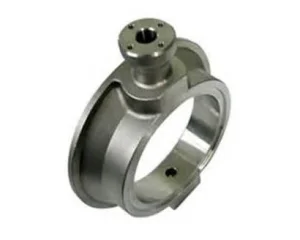
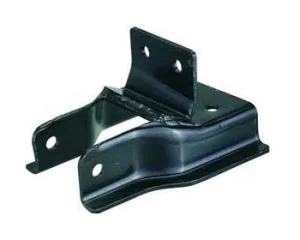
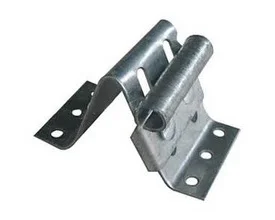
At Ningbo Krui Hardware, our definition of a "Supplier" encompasses the entire product lifecycle—from raw material selection to final surface treatment. We specialize in non-standard component design, providing OEM/ODM services that cater to complex assembly requirements.
Leveraging high-end CNC lathes and stamping equipment to produce tight-tolerance hardware components.
Proficient in working with Stainless Steel (304/316), Carbon Steel, Aluminum, Brass, and specialized alloys.
With 30-40% of production exported globally, we understand the nuances of international compliance, packaging, and timely shipping.
A1: Grade 316 stainless steel contains molybdenum, which significantly increases corrosion resistance, particularly against chlorides found in marine environments and de-icing salts. For industrial applications near coastal areas or chemical plants, 316 is the mandatory standard to prevent rust and material fatigue.
A2: Our OEM process begins with a technical drawing or a physical sample. Our engineering team conducts a feasibility study, evaluates material requirements, and creates a prototype. Once approved, we move to high-volume production, ensuring every batch matches the verified sample specs.
A3: We operate under ISO 9001:2008 standards. This includes raw material inspection, dimensional checks during the production run (In-process QC), and final pre-shipment inspections to ensure zero defects in your consignment.
A4: Yes, we provide comprehensive packaging solutions, from bulk industrial boxing to retail-ready blister packs, ensuring your branding is perfectly represented.
 Krui Hardware