In the world of fastening technology, the Truss Head Bolt stands out due to its unique design and functionality. This bolt features a low-profile, wide head that provides a larger bearing surface. Its shape minimizes the risk of damage to material surfaces, making it ideal for various applications. Industries often prefer this bolt for securing components, particularly where aesthetics and stability are crucial.
The use of Truss Head Bolts can be seen in construction, furniture manufacturing, and electronics. Their ability to distribute load evenly makes them reliable for high-stress environments. However, improper installation can lead to insufficient fastening, which may compromise safety. Therefore, understanding the right techniques for using these bolts is vital for industry professionals.
As industries evolve, the demand for innovative fastening solutions continues to grow. The Truss Head Bolt reflects a balance between functionality and design. It serves as a reminder to continuously explore best practices and improvements in fastening technology. The significance of these bolts goes beyond mere functionality; they represent an intersection of engineering precision and practical application.
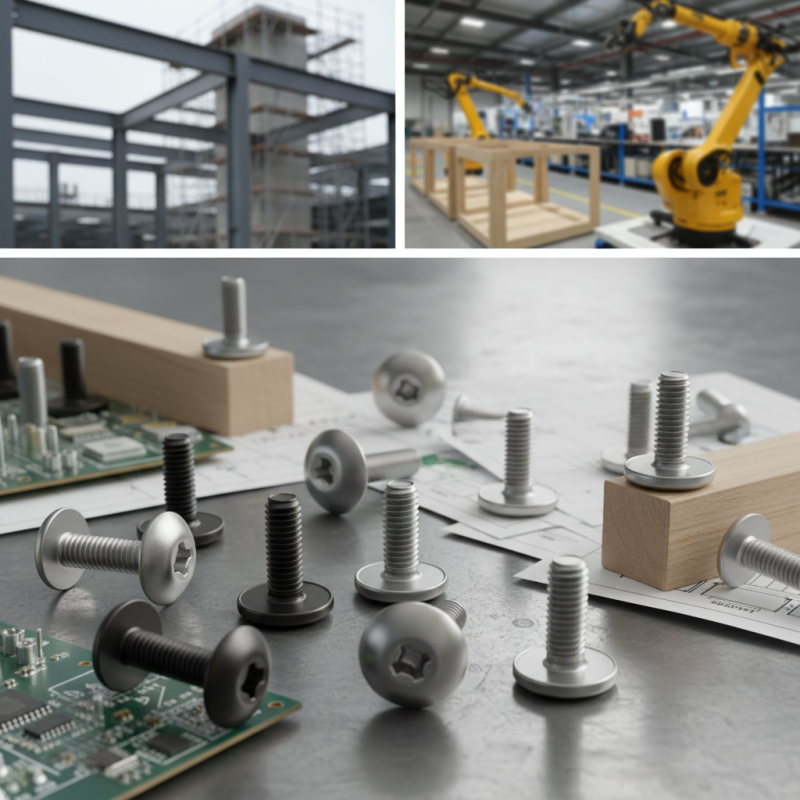
Definition and Characteristics of Truss Head Bolts
A truss head bolt is a unique fastener designed for demanding applications. It features a broad, flat head with a slight dome shape, which provides a larger bearing surface. This design helps distribute the load effectively, reducing the risk of damage to the material being fastened. Truss head bolts are often made from high-strength materials, increasing their durability and reliability in various environments.
In the construction and manufacturing industries, truss head bolts are commonly used. They can be found in structural applications, including bridges and buildings. Their ability to withstand significant forces makes them ideal for load-bearing situations. However, the installation requires careful consideration. If not tightened properly, these bolts can loosen over time, impacting the integrity of the assembly. Ensuring the right torque specifications is crucial.
Additionally, while their strength is a major benefit, the surface area can be problematic in tight spaces. In some instances, users may find that the large head interferes with other components. This highlights the importance of choosing the right fastener based on the specific application and environment. Understanding these nuances can lead to more effective use of truss head bolts in industrial settings.
Common Materials Used for Truss Head Bolts
Truss head bolts are commonly used in various industrial applications due to their unique design. The truss shape allows for a larger bearing surface, which can distribute load more effectively and minimize damage to softer materials. In industries such as construction and manufacturing, truss head bolts have become essential for ensuring structural integrity and reliability.
Common materials for truss head bolts include stainless steel, carbon steel, and alloy steel. Each material offers different properties suited for specific environments. For example, stainless steel is resistant to corrosion and is ideal for outdoor applications. According to industry reports, up to 40% of fastener failures are linked to material inadequacies, emphasizing the need for proper selection. Carbon steel, while more affordable, is often coated to enhance durability in harsher settings.
In the aerospace sector, aluminum truss head bolts are gaining traction. These bolts are lightweight yet strong, making them perfect for aircraft assembly where weight is crucial. However, the use of aluminum can lead to galvanic corrosion when paired with dissimilar metals, which presents some challenges. Awareness of such issues is key for engineers. Selecting the right material not only ensures safety but also enhances performance in critical applications.
What is a Truss Head Bolt and Its Applications in Industry?
| Material |
Strength (MPa) |
Corrosion Resistance |
Common Applications |
| Carbon Steel |
400-800 |
Moderate |
Construction, Automotive |
| Stainless Steel |
520-720 |
High |
Marine, Food Industry |
| Aluminum Alloy |
300-500 |
Moderate |
Aerospace, Lightweight Structures |
| Bronze |
400-600 |
High |
Electrical Applications, Shipbuilding |
Applications of Truss Head Bolts in Construction and Manufacturing
Truss head bolts are versatile fasteners
commonly used in construction and manufacturing.
Their design features a low-profile head, which allows for a more seamless finish on surfaces. This makes them particularly useful in applications
requiring aesthetics and functionality.
In construction, truss head bolts are often employed in wooden structures. They provide a strong hold while minimizing the risk of
splitting wood. Their large bearing surface distributes the load evenly, which is vital in creating stable frames.
However, selecting the right size is crucial. Using a bolt that is too long can lead to protrusions, creating potential safety hazards.
Manufacturers also utilize truss head bolts in machinery assembly. Their design enables a secure fit in tight spaces.
These bolts are also resistant to vibration, which is essential for equipment in motion. However, it’s important to regularly inspect their condition.
Corrosion or wear can compromise their integrity, leading to failures.
Balancing strength and appearance is a challenge that engineers face. Effective use of truss head bolts requires careful consideration
of application parameters.
Benefits of Using Truss Head Bolts in Various Industries
Truss head bolts are essential fasteners used in various industries. Their unique design offers several advantages, making them a popular choice. One significant benefit is their broad bearing surface. This feature distributes load evenly, reducing the risk of material damage. In sectors like construction and automotive, where structural integrity is critical, this characteristic is invaluable.
According to a report by the Fastener Industry Coalition, truss head bolts improve joint strength by approximately 20% when compared to standard bolts. They are also resistant to loosening under vibration. This durability enhances the longevity of assembled products, leading to reduced maintenance costs. Industries have noted a decrease in failure rates, showcasing the reliability of these fasteners.
Tip: When selecting truss head bolts, consider materials and coating to prevent corrosion. Opting for high-quality steel can significantly increase performance.
The versatility of truss head bolts allows their application in electronics, furniture, and outdoor structures. However, their bulkiness may not suit all designs. Ensure they fit your project needs before proceeding. Their growing popularity is evident in industry reports, which highlight a 15% rise in demand over the past three years.
Installation and Maintenance Considerations for Truss Head Bolts
Truss head bolts are popular in various industries for their unique design and functionality. Installation of truss head bolts can be straightforward, but attention to detail is crucial. A properly fitted bolt ensures structural integrity and enhances safety in applications such as construction and manufacturing.
When installing these bolts, ensure the threads are clean. Use lubrication to allow for easier rotation. Over-tightening can lead to failure, so apply appropriate torque according to specifications. Regular inspections are essential to maintain their effectiveness. Look for signs of wear or corrosion, which can compromise strength.
Tips: Always document the installation process. This record helps when conducting future inspections. Check torque settings periodically. Consider environmental factors that could affect the bolt’s performance. Be prepared to replace bolts as needed. Regular maintenance increases the lifespan of truss head bolts and helps you avoid potential hazards.
Truss Head Bolt Applications in Various Industries
FAQS
: Truss head bolts are used in construction and manufacturing for their strength and design.
Common materials include stainless steel, carbon steel, and aluminum. Each material has unique properties.
Choosing the right material prevents fastener failures, which can occur in 40% of cases due to inadequacies.
Their large bearing surface distributes loads evenly, reducing risks of damage to structures like wood.
The low-profile head design allows secure fitting in tight spaces, while resisting loosening from vibration.
Yes, stainless steel bolts resist corrosion, making them ideal for outdoor environments.
Aluminum bolts can suffer from galvanic corrosion when paired with dissimilar metals, which engineers should consider.
Regular inspections are important to check for corrosion and wear that could compromise integrity.
Their bulkiness can make them unsuitable for certain designs, requiring careful project consideration.
They improve joint strength by about 20% compared to standard bolts, enhancing reliability significantly.
Conclusion
A Truss Head Bolt is a specialized fastener characterized by its wide, low-profile head, designed for applications requiring a large bearing surface. Often crafted from materials such as steel, stainless steel, or aluminum, Truss Head Bolts are commonly employed in construction and manufacturing industries due to their ability to distribute load over a larger area, minimizing the risk of material failure.
The benefits of using Truss Head Bolts include enhanced stability, resistance to loosening under vibration, and ease of installation. Proper installation and maintenance considerations are crucial for maximizing their effectiveness, ensuring secure and durable connections in various applications. Overall, Truss Head Bolts play a vital role in providing reliable fastening solutions across multiple sectors.

 Krui Hardware