In the world of fastening solutions, Round Head Screws stand out as a crucial component for various applications. Industry expert James Green once stated, "The right screw can make all the difference in product durability." This highlights the importance of selecting the appropriate screw type to enhance overall reliability.
Round Head Screws are not only about strength; they offer aesthetic benefits too. Their smooth, rounded tops provide a clean, finished look. This feature is appealing for applications where visibility matters. However, not all Round Head Screws are created equal. Differences in materials, sizes, and coatings can influence performance under different conditions.
Despite their advantages, there are challenges in their selection. Buyers must consider factors such as load requirements and environmental conditions. Additionally, some may overlook the significance of thread types, which can drastically affect performance. A thoughtful approach is necessary for ensuring the right fit for each project.
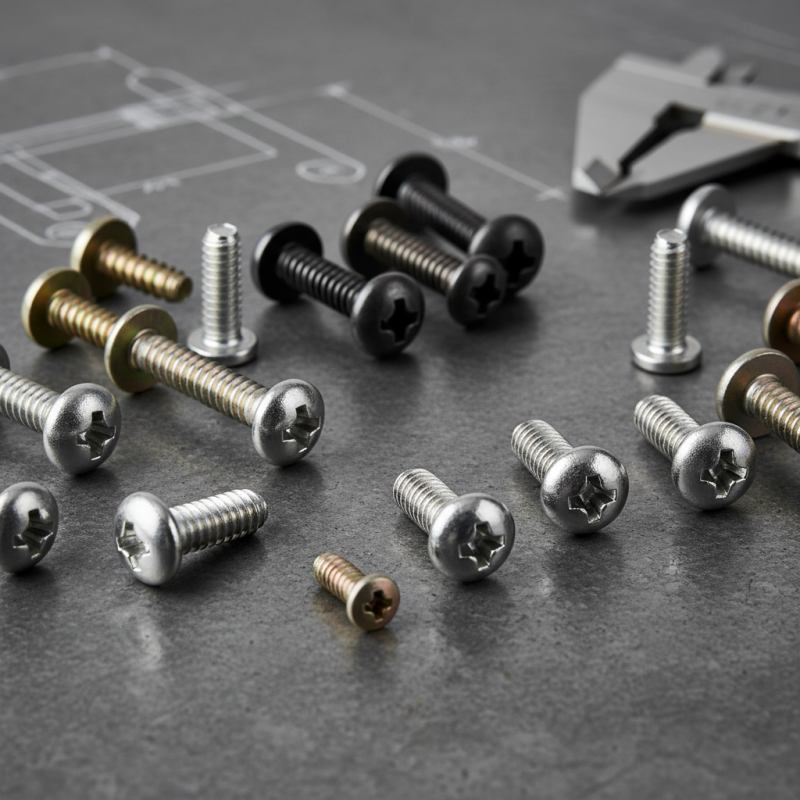
Overview of Round Head Screws and Their Applications
Round head screws are essential fasteners widely used across various industries. They come with a rounded top, offering a blend of aesthetic appeal and functional strength. Their shape allows for increased load-bearing capabilities. According to a report by Grand View Research, the global fasteners market was valued at over $87 billion in 2020 and is projected to grow. This growth highlights the significance of screws, including round head types, in sectors like construction and manufacturing.
Applications for round head screws vary significantly. They are often used in woodworking, automotive, and electrical projects. Their design prevents splitting in wood and provides a neat finish. However, specifications can differ. Some projects may require high strength or corrosion resistance. It's vital for buyers to consider the material and specifications before purchasing. Data from MarketsandMarkets suggests that the demand for stainless steel screws has increased by about 20% annually due to lasting durability.
Not every round head screw fits every project. Factors such as length, diameter, and drive type can impact performance. Some prospective buyers may underestimate the importance of these details. Without proper research, the selected screws may not meet project requirements. Evaluating the specific needs and consulting technical reports can lead to better choices in fastener selection.
Common Materials Used for Round Head Screws
Round head screws are essential fasteners used in many industries worldwide. Their design offers reliability and versatility. The materials chosen for these screws greatly impact performance and application.
Common materials include stainless steel, carbon steel, and brass. Stainless steel is highly resistant to corrosion. It's perfect for harsh environments, such as marine applications. Carbon steel is known for its strength and cost-effectiveness. However, it may rust without proper coating. Brass provides aesthetic appeal and good corrosion resistance. It's often used in decorative applications and electronics.
Each material has its pros and cons. Stainless steel may be more expensive but lasts longer. Carbon steel is more accessible but might require maintenance. When choosing round head screws, consider the specific environment and load requirements. This ensures that the right material is selected for optimal performance.
Top Round Head Screw Types for Global Buyers to Consider
| Screw Type |
Material |
Diameter (mm) |
Length (mm) |
Finish |
| Round Head Steel Screw |
Steel |
3.0 |
20 |
Zinc Plated |
| Round Head Brass Screw |
Brass |
4.0 |
25 |
Plain |
| Round Head Stainless Steel Screw |
Stainless Steel |
5.0 |
30 |
Passivated |
| Round Head Plastic Screw |
Plastic |
2.5 |
15 |
Colored |
| Round Head Copper Screw |
Copper |
6.0 |
35 |
Natural |
Key Features of Different Round Head Screw Designs
When selecting round head screws, understanding their key features can guide buyers. Different designs cater to various applications. The round head offers a larger surface area. This can distribute pressure efficiently, reducing the risk of material damage. These screws are often used in wood and light metalwork.
Materials play a crucial role in screw performance. Stainless steel, for example, provides excellent corrosion resistance. Meanwhile, brass is known for its aesthetic appeal, often used in visible fixtures. Yet, the choice of material can complicate decisions. Not all materials suit every environment. Always consider the specific application before making a choice.
Tips: Always match the screw size to your project requirements. Too small a screw can lead to failure. Conversely, an oversized screw may cause unintended damage. Test different screw types on sample materials. This trial can reveal practical insights. Understanding these features will enhance your project outcomes.
Global Standards and Specifications for Round Head Screws
When selecting round head screws, understanding global standards and specifications is crucial. Various industries have different needs. Thus, it is important to consider these specifications. ASTM and ISO are two major organizations that provide guidelines. They ensure materials, sizes, and coatings meet specific requirements. Buyers must familiarize themselves with these standards to avoid non-compliance issues.
In addition, the precision of screw dimensions plays a significant role in assembly quality. Even minor deviations can affect performance. Manufacturers should be mindful of screw hardness and thread measurements. Inconsistent thread types can lead to failures, particularly in critical applications. Testing for durability and resistance is essential but often overlooked.
Quality assurance processes are key for reliable screw production. Detailed inspections should occur at multiple stages. Random sampling is not always sufficient to ensure high standards. Suppliers who consistently follow these protocols can build trust with customers. While no system is foolproof, having robust procedures can significantly reduce errors. In the end, attention to detail in specifications can prevent expensive mistakes.
Factors to Consider When Selecting Round Head Screws for Projects
When selecting round head screws for projects, focus on several key factors. The material of the screw is essential. Stainless steel screws offer excellent corrosion resistance, great for outdoor use. Contractors often prefer these for their durability. However, carbon steel may be cost-effective for indoor applications.
Consider the screw size and thread type. Metric screws are common in Europe, while imperial sizes dominate in the USA. Adapting to local standards can reduce installation mistakes. According to a recent industry report, improper sizing accounts for nearly 20% of project delays.
The head style also impacts functionality. Round head screws provide a finished aesthetic and distribute load better. However, they may not drive flush with surfaces. It’s crucial to assess the project requirements. If you need flush mounting, consider flat head screws instead. Balancing aesthetics and function can be challenging but is essential for a successful outcome.
FAQS
: Round head screws are fasteners with a rounded top that provide strength and aesthetic appeal.
They are used in woodworking, automotive, and electrical projects, among others.
Different materials affect performance. Stainless steel is corrosion-resistant, while carbon steel is strong but may rust.
Length, diameter, and drive type can significantly impact screw performance. Details matter.
ASTM and ISO provide guidelines for materials, sizes, and coatings essential for compliance.
Yes, even slight variations can lead to assembly issues and failures in critical applications.
Quality checks at multiple stages help prevent errors and ensure reliable performance.
Carbon steel screws are cost-effective but may require maintenance to prevent rusting.
Evaluating specific needs and consulting technical reports can lead to better fastener choices.
Buyers often underestimate the importance of proper research on screw specifications.
Conclusion
Round head screws are essential fasteners widely used across various industries due to their unique design and functionality. They feature a rounded top and a flat underhead, allowing for easy insertion and a greater bearing surface to distribute load. Common materials for these screws include stainless steel, brass, and carbon steel, each offering different strengths and corrosion resistance levels. Understanding the key features of different round head screw designs is crucial for selecting the right type for specific applications, as they can vary in thread patterns, lengths, and sizes.
When selecting round head screws for projects, global standards and specifications must be considered to ensure compatibility and quality. Factors such as the material, load requirements, and environmental conditions play a significant role in the selection process. By considering these elements, buyers can make informed decisions to meet their fastening needs effectively.

 Krui Hardware