Top Quality Stainless Bolts for Global Buyers How to Choose?

Time:2026-05-07 Author:Sienna
0%

Choosing the right stainless bolts is crucial for global buyers. These components play a vital role in various industries, ensuring structural integrity and durability. The market offers an array of options, but not all are created equal. It's important to understand the factors that differentiate high-quality stainless bolts from subpar ones.

When considering stainless bolts, one must evaluate material grade, corrosion resistance, and strength. The selection process can be overwhelming, especially with so many products available. Buyers often face challenges distinguishing reliable suppliers from less reputable ones. Recognizing trusted certifications can simplify the decision-making process.

Personal experience and product knowledge greatly influence optimal choices. Researching manufacturer backgrounds and customer reviews adds depth to the understanding. Reflecting on previous purchases can help identify preferences and shortcomings. Thus, careful evaluation is essential for making informed decisions about stainless bolts that meet specific needs.
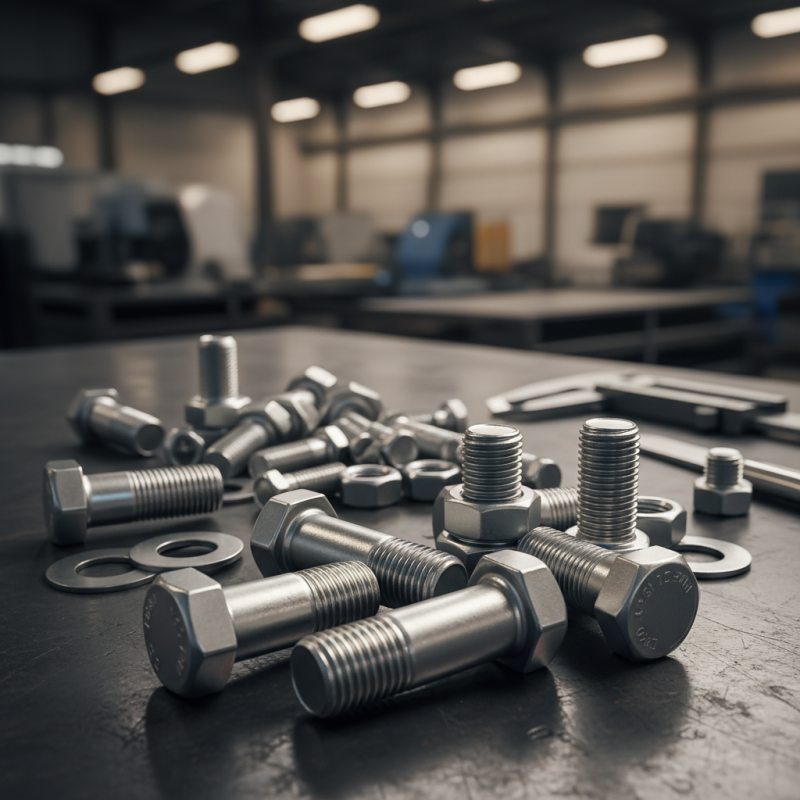
Top Quality Stainless Bolts for Global Buyers How to Choose?

Understanding the Importance of Quality in Stainless Bolts

When selecting stainless bolts, quality is paramount. High-quality stainless bolts offer superior durability and resistance to corrosion. They maintain structural integrity in harsh environments. Understanding their importance helps buyers make informed decisions. Quality bolts ensure safety and longevity in projects, preventing costly failures later.

Consider the material of the bolts. Stainless steel comes in various grades, each with unique properties. For high-strength applications, choose lower carbon grades. In contrast, for outdoor use, opt for austenitic grades. These resist rust and perform well in moisture.

Tips for choosing stainless bolts: Check for certifications. Reliable manufacturers often provide test reports. Inspect bolt surfaces for defects. Smooth surfaces indicate quality. Also, consider the head type for ease of installation. Take time to research and compare options. Quality should never be compromised for cost.

Key Factors to Consider When Choosing Stainless Bolts

When selecting stainless bolts, key factors must be considered. One crucial aspect is the material grade. Different grades offer varying levels of corrosion resistance. For instance, 304 stainless steel is widely used, while 316 grade provides enhanced durability in harsh environments. Understanding these grades can significantly impact your project's longevity.

Another important factor is thread type. Coarse threads are easier to install but may not provide the same grip as finer threads. In contrast, fine threads offer better tension and are less likely to loosen over time. Additionally, the length of the bolt matters too. Choosing the right length ensures a secure fit and prevents failure under stress.

Don't overlook the importance of certifications. Look for suppliers who provide quality assurance documents. While low prices can be tempting, they may indicate inferior quality. Always consider the manufacturer's reputation. Researching can help avoid potential pitfalls. Remember, a well-chosen bolt can make a significant difference in your project’s success.

Differences Between Various Grades of Stainless Steel Bolts

Choosing the right stainless steel bolt involves understanding the differences among various grades. Stainless steel bolts come in different grades, such as 304, 316, and 410, each offering unique properties. According to industry studies, grade 304 is the most common. It has excellent corrosion resistance. This makes it suitable for a variety of applications, including plumbing and food processing.

On the other hand, an analysis by the American Society for Metals indicates that grade 316 offers even better resistance to salty and acidic environments. This grade is often chosen for marine applications. However, it is generally more expensive than grade 304. Surprisingly, many buyers do not consider the impact of corrosion on lifespan and maintenance costs. Investing in the right grade can lead to significant savings over time.

Grade 410, while less common, offers high strength and good abrasion resistance. However, it is less corrosion-resistant than 304 or 316. This makes 410 a less ideal choice for humid or coastal areas. Understanding these differences is crucial for making an informed decision. Choosing the wrong grade could lead to premature failure. Therefore, buyers must carefully assess their specific environmental factors when selecting stainless steel bolts.

Understanding the Strength of Different Grades of Stainless Steel Bolts

Common Applications and Industries for Stainless Bolts

Stainless bolts serve a crucial role in various applications across industries. They are used in construction, automotive, aerospace, and marine sectors. This versatility stems from their excellent corrosion resistance, strength, and durability. For instance, in coastal areas, stainless bolts are favored for their ability to withstand harsh saltwater conditions.

In the automotive industry, these bolts are essential for ensuring vehicle safety. They secure components that experience high stress and vibration. In aerospace, quality specifications are paramount. The slightest failure in fasteners can have dire consequences. Therefore, selecting the right stainless bolt is critical. Buyers should consider aspects like the grade of stainless steel, which impacts strength and corrosion resistance.

While stainless bolts are robust, not all applications suit their use. In high-temperature environments, other materials may perform better. It’s important to assess environmental factors and loads before making a decision. Understanding these applications enhances trust in selecting the appropriate fasteners, ensuring reliability and safety in any project.

Tips for Sourcing from Global Manufacturers and Suppliers

When sourcing stainless bolts globally, it’s crucial to assess the manufacturers and suppliers properly. The stainless steel fasteners market is expected to reach $2 billion by 2025, according to several industry reports. This growth reflects the rising demand across industries like automotive and construction. Not all suppliers meet the required standards, so it's essential to verify their quality control measures.

Check certifications and ensure that the manufacturer complies with international standards like ISO 9001. Be wary of suppliers who cannot provide documentation of their quality practices. Conducting factory audits can be beneficial but may require time and effort. Gathering feedback from previous buyers is also invaluable. Reviews often reveal inconsistencies and reliability issues that a company might not disclose.

Price should not be the sole factor in your decision. Superior quality often comes at a higher cost. The market is saturated, making it tempting to choose vendors based purely on price. Yet, low-quality materials can result in catastrophic failures. Use platforms with ratings to find trustworthy suppliers, but keep in mind that even ratings can be misleading. Always seek multiple quotes to gauge the market fairly.

FAQS

: Why is quality important when selecting stainless bolts?

: Quality ensures durability and resistance to corrosion. This helps maintain structural integrity in harsh environments.

What material should be considered for stainless bolts?

Different grades of stainless steel exist. Lower carbon grades suit high-strength applications, while austenitic grades resist rust.

What tips should I follow when choosing stainless bolts?

Check for certifications and test reports. Inspect surfaces for defects and choose the right head type for installation.

In which industries are stainless bolts commonly used?

Stainless bolts are vital in construction, automotive, aerospace, and marine sectors due to their strength and corrosion resistance.

How do environmental factors affect the choice of stainless bolts?

Coastal areas require bolts that withstand saltwater. High-temperature environments may need different materials for better performance.

Can the cost influence the quality of stainless bolts?

Yes, compromising on quality for lower costs can lead to failures. Always prioritize quality to ensure project safety and longevity.

What role do stainless bolts play in the automotive industry?

They secure components under high stress and vibration, ensuring vehicle safety and reliability under challenging conditions.

Are all stainless bolts suitable for every application?

No, not all bolts fit every need. Assess environmental factors and loads before selecting the appropriate type.

How can I ensure the stainless bolts I choose are reliable?

Research options thoroughly. Consider material grades and check manufacturer credibility to ensure reliability.

What should I do if I find defects on bolt surfaces?

Defective bolts may compromise safety. It's best to avoid them, even if it means delaying your project.

Conclusion

When selecting stainless bolts, understanding the importance of quality is crucial for ensuring durability and performance in various applications. Key factors to consider include the grade of stainless steel, which affects corrosion resistance and strength. Notably, stainless bolts come in different grades, each suited for specific environments, making it essential to choose the right one based on the intended use. Common applications span across numerous industries, including construction, automotive, and marine, highlighting the versatility of stainless bolts.

Additionally, when sourcing stainless bolts from global manufacturers and suppliers, it is vital to evaluate their credibility and product specifications. This ensures that buyers receive high-quality products that meet their requirements. By focusing on these aspects, buyers can make informed decisions and effectively meet their project needs.

Sienna

Sienna

Sienna is a skilled marketing professional with a deep expertise in our company’s core products and services. With a passion for innovation and detail, she plays a pivotal role in crafting insightful blog posts that not only highlight the unique features of our offerings but also provide valuable......