When considering construction and design projects, selecting the right components is crucial. A Stainless Bracket plays a vital role in ensuring stability and support for various structures. These brackets, known for their durability and resistance to corrosion, can be found in many applications, from household fixtures to heavy-duty installations.
Choosing the correct Stainless Bracket can be challenging. Factors such as weight load, material compatibility, and environmental exposure must be considered. Often, individuals overlook the importance of these factors, leading to structural failures. If the wrong bracket is chosen, projects can suffer delays and increased costs.
The intricacies involved in selecting a suitable bracket require knowledge and experience. As such, it is essential to consult experts. Their insights can lead to informed decisions that ultimately enhance the longevity and safety of your project. A Stainless Bracket, while seemingly simple, demands thoughtful consideration. Making informed choices can prevent common pitfalls in construction and design.
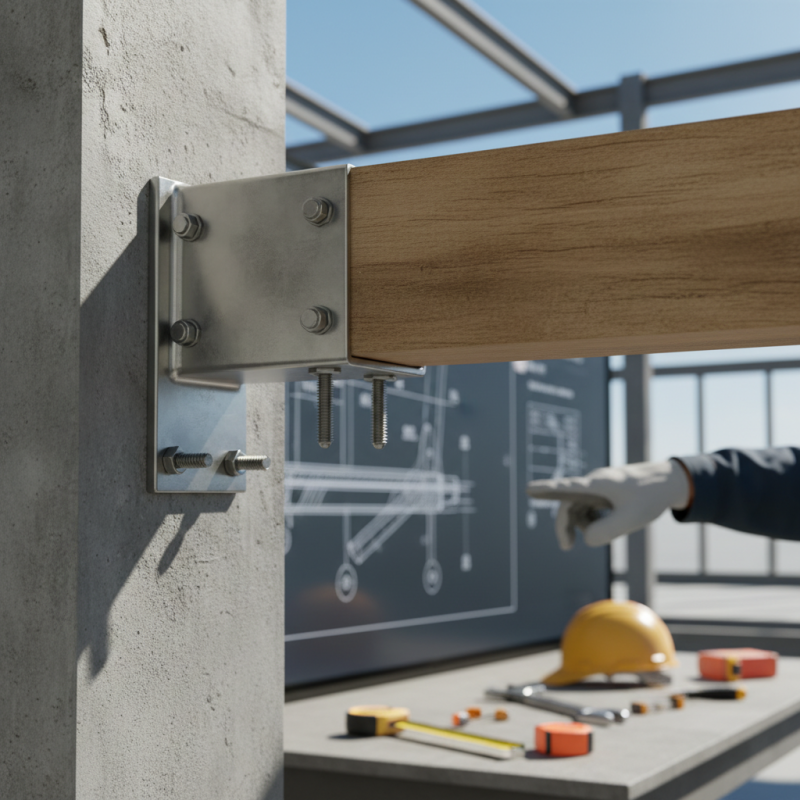
What is a Stainless Bracket?
A stainless bracket is a vital component in many construction and DIY projects. Made from stainless steel, it offers durability and resistance to corrosion. This makes it suitable for both indoor and outdoor applications. Stainless brackets can support heavy loads and provide stability, which is essential for various installations. They come in different shapes and sizes, tailored for specific uses.
When choosing a stainless bracket, consider the material quality. Not all stainless steel is created equal; some grades resist corrosion better than others. Look for options that can withstand harsh conditions if your project demands it. Size matters too. Measure the space where you'll install the bracket to ensure a perfect fit. A well-chosen bracket will not only hold securely but also enhance the aesthetic of your project.
Installation can be tricky. Even a small error can lead to structural issues later. Take time to read the specifications and installation guides. Familiarize yourself with the tools needed for the job. Mistakes can often be avoided with careful planning. Reflect on your choices and don’t hesitate to seek advice from professionals when uncertain. A sturdy bracket can significantly impact the longevity and safety of your project.
Types of Stainless Brackets and Their Applications
Stainless brackets are essential in various projects. They provide support and stability. Understanding the different types of stainless brackets and their applications is crucial for choosing the right one.
L-brackets are widely used in construction. They help secure materials at right angles. You’ll find them in shelving units and furniture assemblies. Corner brackets, on the other hand, reinforce joints. These are great for outdoor structures, as they withstand weather conditions. It’s worth considering how a bracket fits into your specific application.
Tips: Always check the weight capacity. Make sure the bracket can hold the intended load. If unsure, seek advice from a professional. The finish matters. Some may rust over time. Evaluate the environment where it will be used.
Flat brackets are common for wall-mounted items. They offer a low-profile solution. However, not all projects require these. In some cases, a heavier duty bracket may be needed. Explore all options to find the most suitable choice. Think about the installation process too. Ease of installation can save time and reduce frustration.
What is a Stainless Bracket and How to Choose the Right One? - Types of Stainless Brackets and Their Applications
| Bracket Type |
Material |
Load Capacity |
Common Applications |
| L-Bracket |
Stainless Steel 304 |
Up to 150 lbs |
Shelving, Wall Mounts |
| Flat Bracket |
Stainless Steel 316 |
Up to 200 lbs |
Furniture, Signage |
| Corner Bracket |
Stainless Steel 304 |
Up to 100 lbs |
Framing, Architectural Structures |
| Pipe Bracket |
Stainless Steel 316 |
Varies by size |
Pipe Support, Railing Systems |
| Shelf Bracket |
Stainless Steel 304 |
Up to 120 lbs |
Home Shelving, Retail Displays |
Key Features to Consider When Choosing a Stainless Bracket
When choosing a stainless bracket, several key features come into play. Material quality is paramount. High-grade stainless steel, like 304 or 316, offers excellent corrosion resistance. According to a report by the Stainless Steel International, 304 stainless steel is suitable for indoor use, while 316 is preferred for marine and highly corrosive environments. This distinction is essential to ensure durability.
Load capacity is another crucial factor. A bracket may appear robust, but it must support the intended weight. Structural engineers recommend that brackets be rated for at least 10% more than the anticipated load. Ignoring this could lead to failure.
Size also plays an important role. A miscalculated dimension can result in an improper fit, leading to security issues. Industry studies indicate that up to 30% of installations fail due to incorrect sizing. While aesthetics may seem secondary, they can influence the overall design. A bracket should complement its surroundings. Each of these details can significantly impact the effectiveness of the installation.
Inadequate research can lead to mistakes. Properly evaluating these features will lead to a more reliable choice. Every project has unique requirements. Taking the time to reconsider your options can make a big difference in the outcome.
Factors Affecting the Durability of Stainless Brackets
When selecting stainless brackets, durability is a primary concern. Stainless steel is known for its corrosion resistance, but not all types are created equal. The alloy composition greatly influences durability. For example, 304-grade stainless steel is popular for its balance of cost and performance. However, it may not withstand acidic environments as effectively as 316-grade steel. This grade is often recommended for marine applications due to its higher resistance to chloride corrosion.
The design of the bracket also affects its longevity. Thicker brackets can handle more weight and stress. However, they may be more challenging to install. Factors like environmental exposure cannot be ignored. Brackets exposed to harsh weather conditions wear faster. Installing them in sheltered locations can enhance their lifespan. Using proper fastening techniques and load distribution can also prevent early fatigue.
Ultimately, choosing the right stainless bracket demands careful consideration of both materials and application. Reflect on your specific needs. Are you prioritizing strength, aesthetics, or corrosion resistance? An informed decision today will save you from potential issues tomorrow.
Factors Affecting the Durability of Stainless Brackets
How to Properly Install Stainless Brackets for Maximum Strength
Installing stainless brackets requires careful consideration for optimal strength. The right installation technique can significantly impact load-bearing capacities. According to industry reports, improperly installed brackets can reduce their strength by up to 30%. This highlights the need for precision in measuring and placing brackets.
Begin by selecting the correct type of stainless steel. Different grades, like 304 and 316, offer varying levels of corrosion resistance, important for external applications. Ensure the wall or surface is sturdy. Ideally, use anchors in concrete or toggle bolts in drywall for better stability. These choices can greatly improve the overall integrity of the installation.
Proper alignment is crucial. Use a level to confirm that brackets are straight. Misalignment can lead to uneven weight distribution. Many professionals overlook the torque specifications for screws and bolts. Following the manufacturer's guidelines is essential. Insufficient torque may lead to failure over time, raising safety concerns. Such details can make the difference between a secure installation and future issues. Stay attentive; even small mistakes can lead to significant problems later on.
Conclusion
A stainless bracket is a versatile hardware component commonly used in construction and various applications to support and stabilize structures. The selection of the right stainless bracket involves understanding the different types available, such as corner brackets, shelf brackets, and more, each designed for specific uses. Key features to consider include load capacity, size, and corrosion resistance, which are essential for ensuring the bracket's performance in different environments.
Durability is also a significant factor, influenced by the quality of material and design. To achieve maximum strength, proper installation techniques are crucial, ensuring that the stainless bracket is securely fitted and capable of withstanding the intended loads. Overall, understanding these aspects will help in making informed decisions when choosing and utilizing stainless brackets in various projects.

 Krui Hardware