When navigating the global market for Hex Socket Bolts, it’s crucial to consider expert insights. John Smith, a respected engineer in the fastener industry, emphasizes, "Quality is paramount when sourcing bolts." His expertise brings attention to the essential elements importers must evaluate.
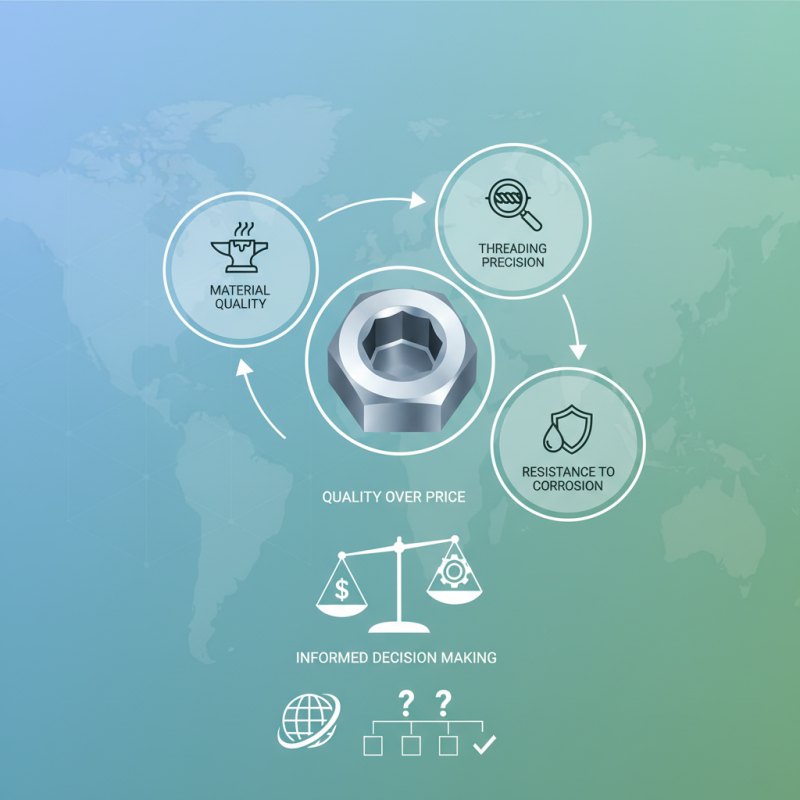
The world of Hex Socket Bolts is intricate, with varying standards and specifications across countries. Importers should focus on the material quality, threading precision, and resistance to corrosion. These factors directly affect durability and performance. A small oversight in any of these areas can lead to costly failures, both financially and operationally.
In this evolving field, the need for clarity and precision is paramount. Relying solely on price can lead to poor decisions. Importers must ask the right questions and ensure they receive reliable product information. Understanding the role of Hex Socket Bolts in their specific applications can shape the buying process significantly, leading to sustainable sourcing choices.
Hex socket bolts are essential in various industries, from construction to machinery. Their design allows for efficient torque transmission. This makes them ideal for high-stress applications. The hexagonal recess enables the use of an Allen key or hex wrench. This design feature reduces the risk of stripping compared to traditional head styles.
When selecting hex socket bolts, consider the materials used. Stainless steel offers corrosion resistance, while carbon steel provides strength. Each material has its pros and cons, depending on the application environment. Additionally, sizes and lengths vary significantly. Ensure the chosen bolt fits the application specifications.
Choosing the right hex socket bolt requires careful thought. Look at the specific load conditions your project will face. Not all hex bolts perform identically under stress. Testing a sample on-site may reveal critical insights. Analyze how different materials react in real-world scenarios. This reflection can enhance your selection process, leading to improved long-term outcomes.
When selecting hex socket bolts, importers must consider several key specifications. The material type is vital, as it directly impacts strength and corrosion resistance. Stainless steel, for instance, accounts for almost 40% of the hex bolt market due to its durability. Carbon steel is also popular, particularly in structural applications, but it requires protective coatings to prevent rust.
Thread specifications are another critical factor. The Unified Thread Standard (UTS) is prominent in many regions. Metrics vary globally, creating challenges in compatibility. Tight tolerances are crucial for ensuring the bolts fit securely in assemblies. According to a recent industry report, 25% of bolt failures are linked to improper thread dimensions.
Importers should also assess finish and surface treatment options. Options like zinc plating and black oxide enhance protection and aesthetics. Not accounting for these factors may lead to increased maintenance costs. Various tests, such as tensile strength and hardness, should be requested. These details contribute to establishing product reliability. Importers need to engage with experienced suppliers to ensure compliance with the latest industry standards.
When selecting hex socket bolts, the material and coating options play a crucial role in determining durability. Common materials for bolts include steel, stainless steel, and alloy steel. Steel is strong and cost-effective but can rust without proper treatment. Stainless steel, while more resistant to corrosion, may be more expensive. Often, the choice depends on the intended application and environmental conditions.
Coatings also significantly impact the lifespan of hex socket bolts. Common coatings include zinc plating, black oxide, and ceramic finishes. Zinc plating provides moderate corrosion resistance and is often used in indoor applications. Black oxide can enhance the aesthetic but offers limited protection against rust. Ceramic coatings, although less common, provide excellent resistance to wear and corrosion, making them useful in extreme conditions.
Importers should assess their specific requirements before making a decision. It’s vital to consider the environment where the bolts will be used. Balancing cost with performance needs careful thought. Some choices may be suitable for certain situations but not for others. Reflecting on past purchases can guide future selections. This ensures that the chosen bolts meet both safety and durability standards.
| Material | Coating Type | Corrosion Resistance | Temperature Range | Typical Application |
|---|---|---|---|---|
| Carbon Steel | Zinc Plated | Moderate | -20°C to 85°C | General Construction |
| Stainless Steel | Passivated | High | -50°C to 300°C | Marine Applications |
| Alloy Steel | Black Oxide | Moderate | -40°C to 150°C | Automotive Industry |
| Brass | None | Low | -20°C to 180°C | Electrical Components |
| Aluminum | Anodized | High | -50°C to 120°C | Aerospace Applications |
When importing hex socket bolts, vetting suppliers is crucial. Look for companies with a robust history in manufacturing. Reliable suppliers often have certifications that indicate compliance with industry standards. These credentials can assure product quality. Investigate if they are part of recognized industry associations, as membership often reflects stability and commitment.
Quality assurance is vital in global sourcing. Suppliers should have clear guidelines for quality control. This may include regular inspections and testing of materials. Consider requesting samples before placing bulk orders. Be aware that not all suppliers may prioritize quality equally. Some may promise high standards but fail to deliver. Reviewing their track record can provide insight into their reliability.
Tip: Always communicate your specifications clearly. Misunderstandings can lead to subpar products. Additionally, keep an open line of communication throughout the purchasing process. This encourages transparency and helps build a solid relationship with your supplier. Assessing their responsiveness can also indicate their level of professionalism. Choose wisely, as the right partner can significantly impact your supply chain efficiency.
When sourcing hex socket bolts globally, effective negotiation can significantly impact your costs. Start by researching market trends and price benchmarks in your target regions. Understanding local pricing behaviors helps you avoid overpaying. When approaching suppliers, clear communication is essential. Be transparent about your needs, but also attentive to their capabilities and limitations.
Engage in open discussions about minimum order quantities and payment terms. Some suppliers may prefer larger batches for better pricing. If their terms seem rigid, consider if adjusting your order could benefit both parties. Document all agreements to ensure clarity. Miscommunication can lead to costly misunderstandings later.
It’s important to review supplier qualifications carefully. Their production practices must comply with global standards. Engage with references and assess their reliability. Sometimes, lower bids may come from suppliers with inadequate quality controls. Remain flexible and ready to pivot if negotiations don’t meet your expectations. This can safeguard your longer-term interests.
: Material type is crucial for strength and corrosion resistance. Stainless steel and carbon steel are common choices.
Thread specifications affect bolt compatibility. Improper dimensions cause 25% of bolt failures, impacting safety and reliability.
Surface treatments like zinc plating and black oxide improve protection and aesthetics. They can reduce long-term maintenance costs.
Good negotiation helps in securing better prices. Researching market trends before discussions can prevent overpayment.
Be clear about your needs. Understand their capabilities to foster a collaborative relationship and avoid miscommunication.
Review production practices carefully. Check references to ensure they meet global quality standards and reliability.
Consider adjusting your order quantity. Flexibility can lead to better pricing or agreements beneficial to both parties.
Request tests for tensile strength and hardness. These ensure the product's reliability and adherence to standards.
Documenting agreements prevents misunderstandings. It ensures clarity on terms, reducing potential disputes in the future.
Stay flexible and ready to pivot. If negotiations fail, exploring other options can protect your long-term interests.
When sourcing Hex Socket Bolts, global importers should first understand their applications and how these fasteners can meet specific needs. Consideration of key specifications, such as size, thread type, and strength, is essential for ensuring compatibility with existing systems. In addition, evaluating material options, such as steel or stainless steel, along with appropriate coatings can enhance the durability and longevity of Hex Socket Bolts in various environments.
Moreover, importers should prioritize supplier credentials and quality assurance practices to ensure that the bolts meet international standards. Cost-effective sourcing can be achieved through strategic negotiation and establishing long-term relationships with reliable suppliers. By following these tips, importers can make informed decisions that align with their quality and budgetary requirements when procuring Hex Socket Bolts.

Krui Hardware